
Commercial property owners today face a growing number of risks, from aging infrastructure to increasingly unpredictable weather patterns. While insurance is the foundation for transferring risk, loss prevention is equally critical for mitigating damage whenever possible.
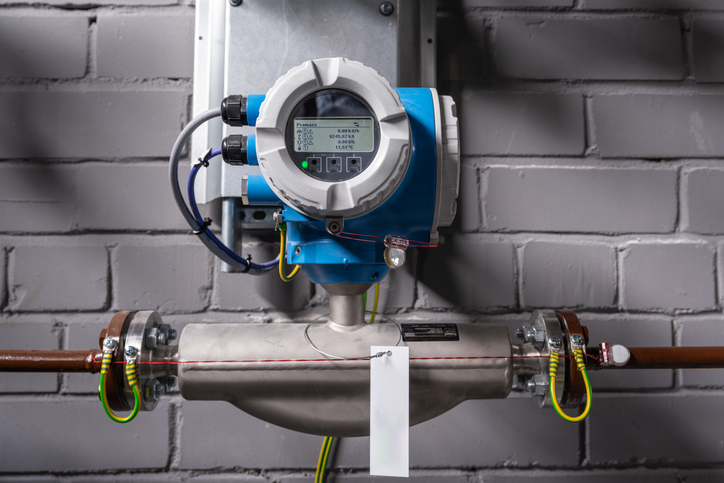
Smart technology, including leak sensors, freeze detectors, and other IoT-enabled tools, has given property owners new ways to reduce damage, avoid costly repairs, and create safer, more resilient buildings. These technologies also improve the property’s risk profile and potentially lower insurance costs.
How Property Technology Can Help Prevent Losses
Water-related losses remain one of the most common claims in commercial buildings. Small issues, such as a slow pipe leak or a malfunctioning HVAC unit, can quickly escalate into significant damage if left undetected. Similarly, winter freeze-ups, malfunctioning sump pumps, and unnoticed water intrusion in basements or mechanical rooms can cause widespread, costly, and disruptive losses.
Smart technology helps stop these losses before they start. By detecting issues early, property owners can respond quickly, limit damage, and reduce the frequency and severity of claims.
Leak Detection: Stopping Problems at the Source
Leak sensors are one of the most effective tools for preventing water damage. Placed near high-risk areas, under sinks, near water heaters, or in mechanical rooms, they identify moisture the moment it appears. Some systems automatically shut off the water supply when a leak is detected, preventing costly flooding. Others send alerts directly to property managers so they can act before the issue spreads.
This early intervention significantly reduces loss severity, making buildings equipped with these systems lower-risk and more predictable for insurance companies.
Water-Intrusion and Humidity Alerts: Protecting Against Hidden Damage
Moisture sensors and humidity monitors help detect slow, hidden forms of water intrusion that may not be immediately visible. Whether caused by roof damage, poor insulation, or foundation cracks, hidden moisture can lead to mold growth, structural deterioration, and long-term habitability concerns.
These sensors provide early warnings that allow maintenance teams to address small issues before they become significant structural losses, helping stabilize long-term property conditions and reducing the potential for claims.
Freeze and Temperature Monitoring: Preventing Wintertime Losses
In the winter of 2024-2025, there was a period of intense, prolonged freezing temperatures across areas not accustomed to such cold, including in Texas and Nashville, Tennessee. These freezing temperatures resulted in burst pipes in commercial and industrial plumbing infrastructure, leading to costly repairs and business disruptions.
Freeze sensors measure both temperature and pipe conditions, alerting property owners when indoor temperatures fall to dangerous levels. This is especially valuable in vacant buildings, seasonal properties, or areas with sudden cold snaps. When integrated with automation systems, these sensors can activate auxiliary heating, alert property managers to HVAC failures, and prevent frozen pipes and water damage.
IoT Systems Create Better Data for Underwriting
One of the biggest advantages of IoT-based property technology is the data it generates. These tools give insurers and property owners insight into:
- System failures
- Environmental trends
- Maintenance patterns
- Loss-prevention effectiveness
This data helps inform more accurate underwriting, helping to ensure that Commercial Property policies reflect real-world building conditions and risk characteristics.
Smart sensors and IoT tools will not eliminate every loss, but they play an increasingly important role in protecting buildings from preventable damage. Properties with proven risk-mitigation systems may experience more favorable underwriting, greater placement options, fewer claims, and more stable property portfolios.
About Seneca Insurance Companies
Seneca Insurance Companies are known for having a broad appetite for writing property risks. We offer admitted and non-admitted ISO-based policies, with catastrophe perils tailored to specific locations and risk characteristics. We also provide Builder’s Risk solutions for property under construction.