
With no occupants and often deferred maintenance, these vacant structures are particularly vulnerable to conditions such as flooding and wind, which can quickly escalate minor issues into catastrophic damage. For owners of vacant assets, failure to prepare for extreme weather can result in costly repairs, prolonged vacancy, and difficulty securing future coverage.
Be Prepared
- Conduct a Comprehensive Property Inspection: Before any storm season, have the building envelope, roofing system, drainage paths, and interior spaces inspected. Key areas to review include:
- Roof condition and securement of flashing and penetrations
- Window and door integrity
- Gutters, downspouts, and site grading
- HVAC and plumbing systems
- Sump pumps and interior drainage
Documenting pre-storm conditions enables property owners to prioritize repairs and provides valuable evidence should a claim become necessary.
- Secure the Building: Properly securing a vacant property reduces the likelihood of wind and water entry during a storm. Measures include:
- Boarding or reinforcing broken or unsecured windows and doors
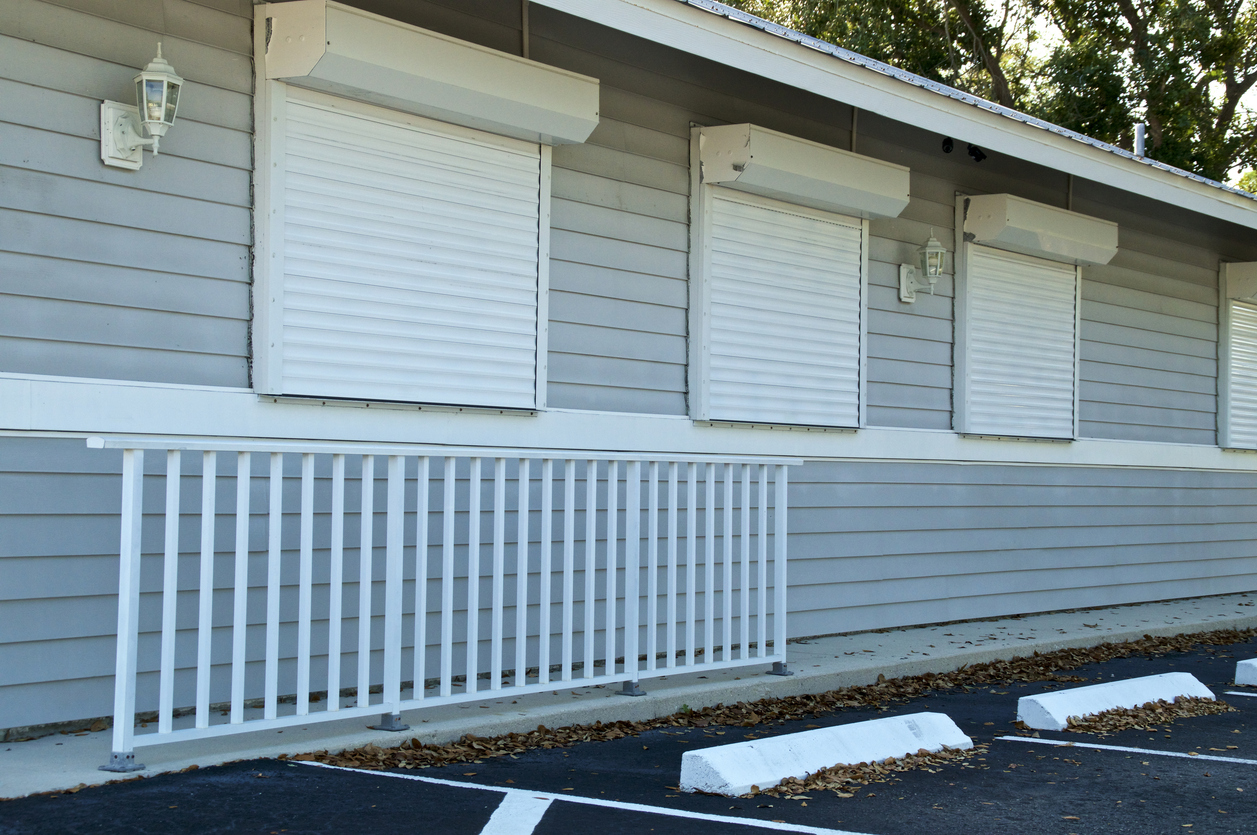
- Installing storm shutters or protective coverings
- Sealing roof vents and penetrations
- Locking access points and restricting unauthorized entry
Wind-driven rain can exploit the smallest opening. A secure envelope is the first defense against interior damage.
- Shut Off Utilities and Winterize: For properties that will remain vacant through cold seasons, winterization is critical:
- Shut off the water supply to reduce the risk of freezing and bursting pipes
- Drain plumbing systems and install antifreeze in drains and traps
- Insulate exposed pipes
- Maintain minimum building heat if feasible
- Install monitored temperature sensors to detect dangerous drops
Frozen pipe damage is one of the costliest weather-related perils in unoccupied buildings.
- Maintain Site Drainage: Heavy rain and flooding can accumulate around foundations if site drainage is compromised. Good drainage preparation includes:
- Clearing gutters and downspouts
- Ensuring positive grading away from foundations
- Installing or servicing sump pumps and backup power
- Using sandbags or storm barriers in flood-prone regions
Standing water is not only a structural threat; it can also violate local ordinances if left unmanaged.
- Use Remote Monitoring Tools: Technology can extend “eyes on the property” even when no one is physically present. Consider investing in the following:
- Temperature and humidity sensors
- Water leak detectors
- Security cameras with weather alerts
- Remote building management systems
These tools provide early warning of weather impacts so owners can act quickly — even from afar.
- Implement a Severe Weather Response Plan: A property-specific response plan helps ensure readiness as a storm approaches. A good plan should include:
- A pre-storm checklist
- Contractor contact list for emergency repairs
- Insurance company notification procedures
- Evacuation and site lockdown protocols
- Post-storm inspection processes
Owners with multiple vacant properties benefit from standardized checklists that can be deployed across the portfolio.
Long-Term Asset Protection
Weather mitigation is part of a broader risk strategy for vacant properties. Other protective measures include regular maintenance updates, seasonal property reviews, budgeting for preventative repairs, and aligning property management expectations with risk objectives
Owners who proactively manage vacant property risk often experience fewer losses, reduced downtime between occupancies, and better insurance pricing over time.
About Seneca Insurance Companies
In addition to implementing risk-mitigation measures, having the right insurance program for vacant properties is critical. Seneca Insurance Companies provides solutions for vacant property and land on both a package and monoline basis. We can insure vacant, occupied, or partially occupied properties under a single policy, with per-location limits up to $30 million TIV.